Service Details
Sewer Line Inspection in Queen Creek & Greater Phoenix
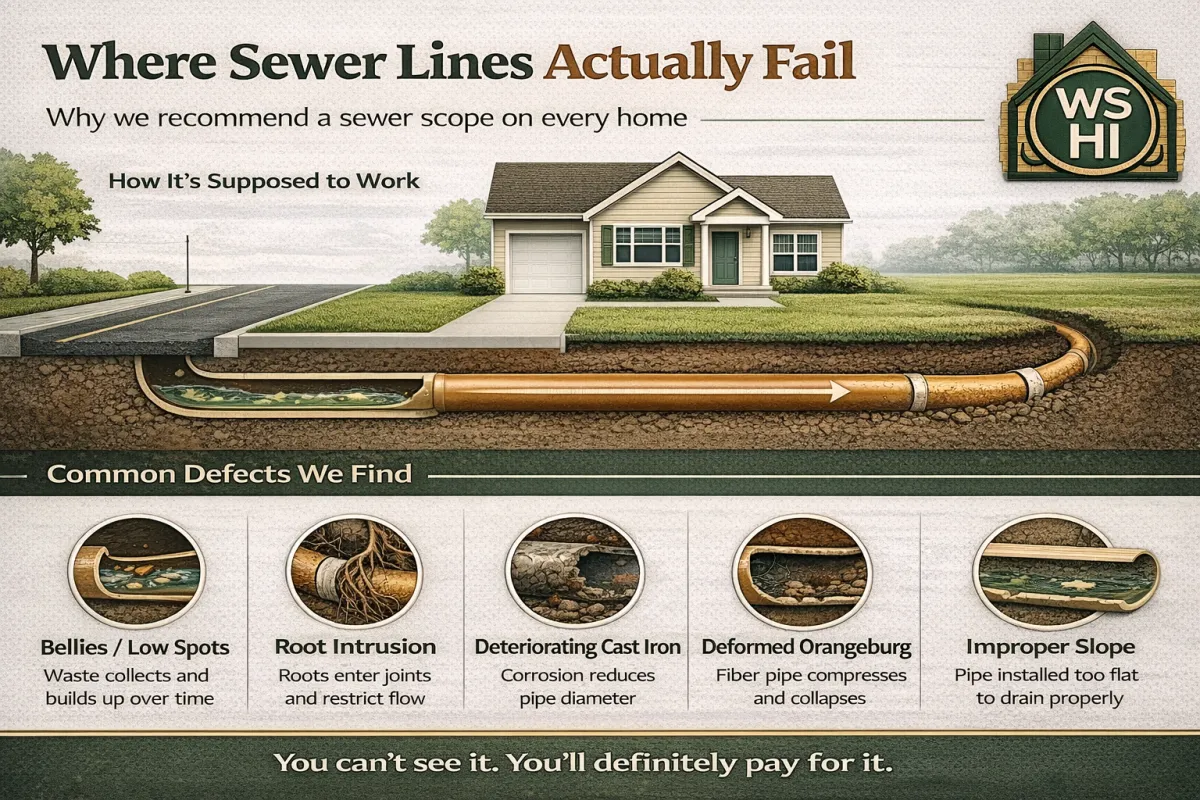
Most sewer problems are invisible during a standard home inspection. A sewer line inspection uses a specialized camera to evaluate the underground pipe from the home to the city connection or septic system. We recommend a sewer scope on every home - including new construction, condominiums, and properties on septic because defects are far more common than most buyers realize.
Verify before you buy.
Protect your investment!
Why We Recommend a Sewer Scope on Every Home
There’s a common myth that sewer inspections are only necessary for older homes. In reality, we routinely find defects in new construction, recently remodeled homes, and first-floor condominiums.
Improper compaction, construction debris, root intrusion, deteriorating cast iron, and even landscaping damage can lead to expensive failures.
The sewer line is one of the most costly systems in a home - and it’s completely underground.
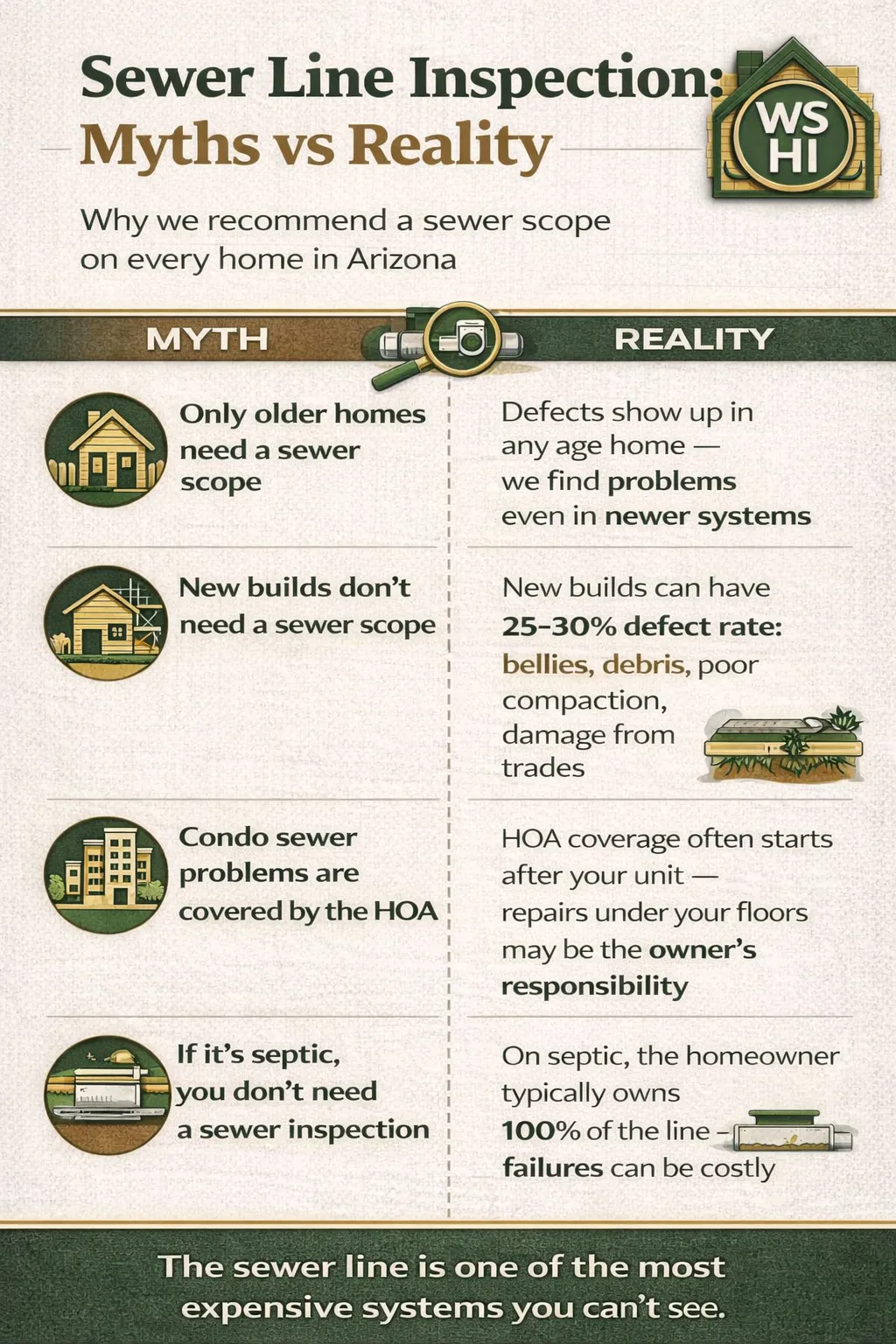
Skipping a sewer inspection is often based on misinformation. We’ve seen buyers decline the scope only to face major repairs after closing - repairs that were completely preventable with a simple camera inspection.
A Real Example
A buyer once declined a sewer scope because the Condo Association stated the sewer was “covered.” After moving in, a deteriorated cast iron line under the unit failed.
The association covered only the portion beyond the building. She was responsible for replacing the pipe under her floors -nearly $20,000 -including cutting into newly installed tile that could not be matched.
Sewer coverage is often misunderstood. A camera inspection removes the guesswork.
What About Septic Systems?
Some homeowners believe a sewer inspection isn’t necessary on septic properties. In reality, septic lines can be even more financially risky.
With public sewer systems, municipalities may cover portions of the line beyond the property.
With septic systems, the homeowner typically owns 100% of the line and is responsible for all repairs.
Add a Sewer Scope - Protect Your Investment
For a fraction of the potential repair cost, a sewer inspection provides clarity and leverage before closing. We recommend it on every home - regardless of age.
“I would never buy a property without getting a sewer inspection. That's like buying a car and not taking it for a test drive.” — John Kirkwood, The Original House Dr.
Do I really need a sewer inspection on a newer home?
Yes. We routinely find defects in new construction. Improper compaction, construction debris, misaligned joints, and even landscaping damage can affect newly installed sewer lines. Age alone does not determine risk.
Isn’t a sewer inspection only necessary for older homes?
That’s a common misconception. While older homes may have cast iron or clay piping that deteriorates over time, newer homes can have installation-related defects. We recommend a sewer scope regardless of age.
If I’m buying a condo, doesn’t the Association cover the sewer line?
HOA coverage is often misunderstood. Associations typically cover from the building to the street. The portion under your unit may still be your responsibility. A sewer inspection helps clarify risk before closing.
What about homes on septic systems?
Septic properties often carry more risk, not less. With public sewer systems, municipalities may cover certain portions of the line. With septic systems, homeowners typically own 100% of the line and are responsible for all repairs.
What kinds of defects do you commonly find?
We commonly see:
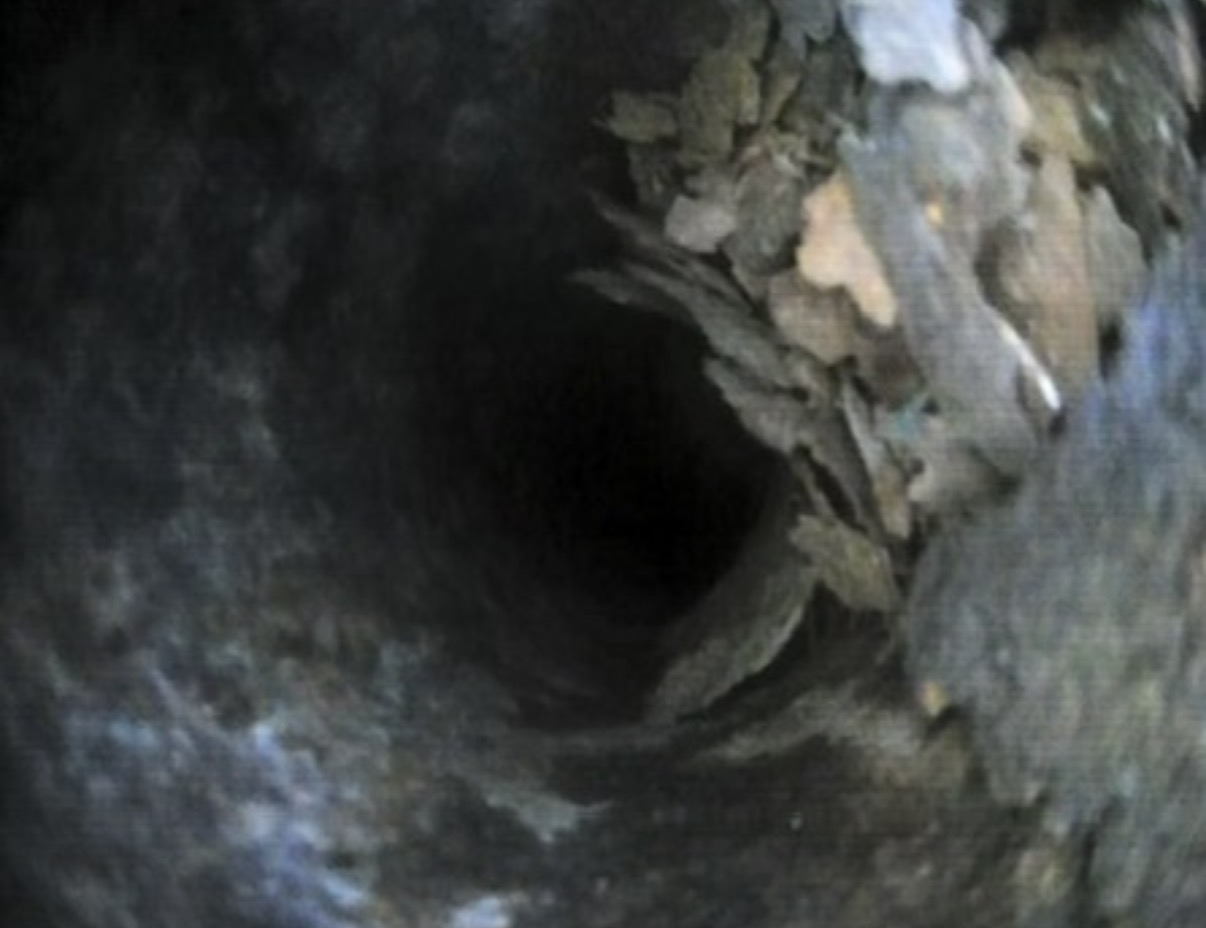
*Bellies or low spots that collect waste
*Root intrusion
*Deteriorating cast iron
*Deformed Orangeburg pipe
*Improper slope
*Construction debris left in the line
*Misaligned Pipe Transitions
Many of these issues are not visible without a camera inspection.
How long does a sewer inspection take?
A sewer scope typically adds about 30–60 minutes to the inspection, depending on access and line conditions. The findings are included in your report with images and video documentation.
What happens if a defect is found?
If conditions are identified, you’ll receive documentation that can be used for repair negotiation, further evaluation, or pricing from a licensed plumbing contractor. The goal is clarity before closing — not surprises after.
Is a sewer inspection expensive?
Compared to the cost of replacing a sewer line — which can range from several thousand dollars to well over $20,000 depending on location and access — a sewer scope is a small investment for significant risk reduction.
Clear, Same-Day Digital Reports
You’ll receive a detailed digital report that includes:
• High-resolution photos
• Clear descriptions of findings
• Repair recommendations
• A summary section useful for negotiations
Reports are typically delivered the same day to keep your transaction moving efficiently.
Other services
Explore more solutions
New Homeowner Boot Camp
(Post-Inspection)
The inspection ends… and then real homeownership begins.
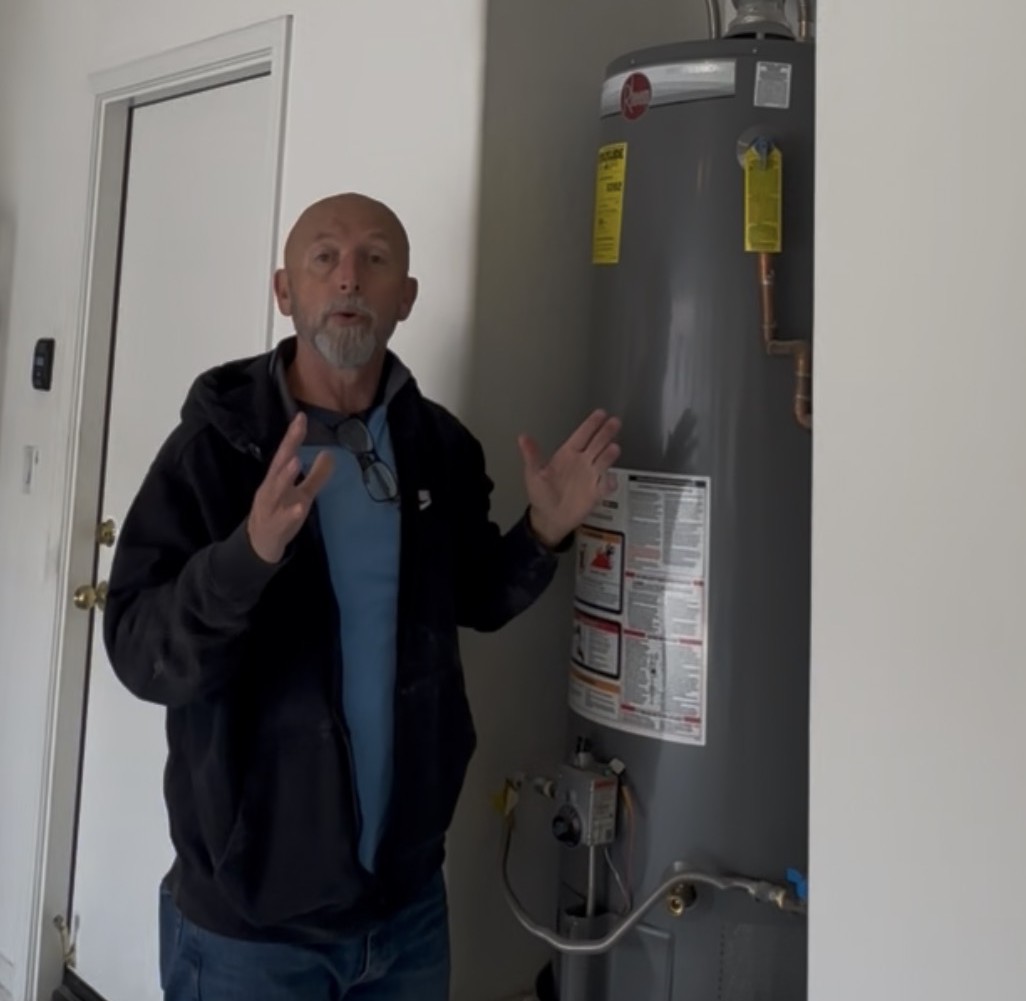
New Homeowner Bootcamp is post-purchase education designed to help new owners confidently manage their home. We walk through HVAC systems, water heater basics, main shutoffs, simple maintenance tasks, and seasonal care - the things every homeowner wishes someone had explained sooner. This session is designed to prevent avoidable problems, reduce emergency repairs, and save money long-term.
Many parents gift Bootcamp to their children as they purchase their first home. It’s also a thoughtful and practical closing gift.
Buyer’s agents often provide it as a meaningful closing present - something far more valuable than another gift basket.
Best for:
First-time buyers, new homeowners, and anyone who wants to “own like a pro.”
Includes:
Hands-on walkthrough, maintenance priorities, system education, and homeowner fundamentals tailored to the property.
Mold/Air Quality Inspections
Mold and indoor air quality testing helps identify potential airborne contaminants and moisture-related concerns inside a home.
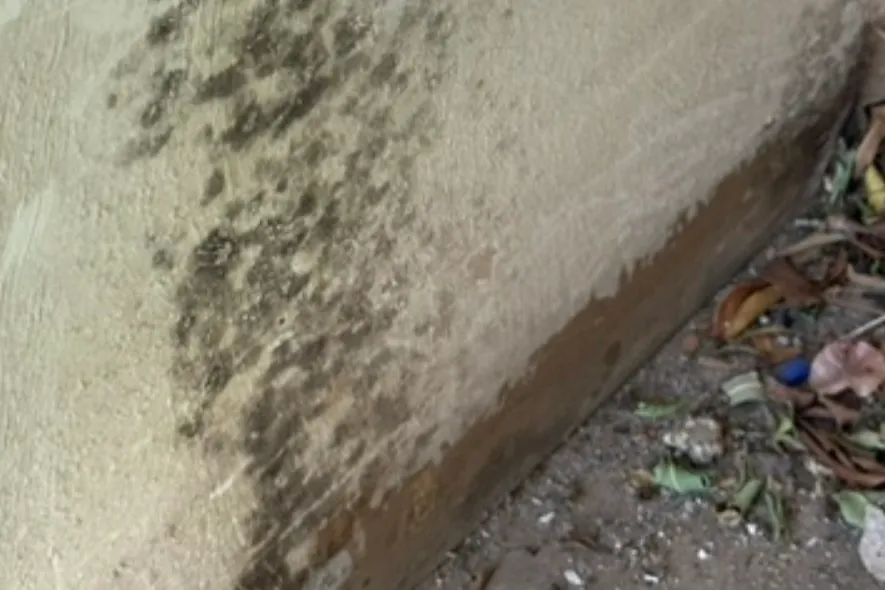
In the Arizona climate, improper drainage, roof leaks, plumbing failures, and HVAC condensation issues can contribute to microbial growth. We offer mold and indoor air quality testing services in Queen Creek and the East Valley to help homeowners evaluate potential environmental concerns.
When visible staining or musty odors are present, testing can provide laboratory analysis to determine spore concentrations and compare indoor air quality to exterior control samples.
Testing results help guide remediation decisions and further evaluation when necessary.
Schedule Your Inspection and ask about air quality testing options.
Radon Inspections
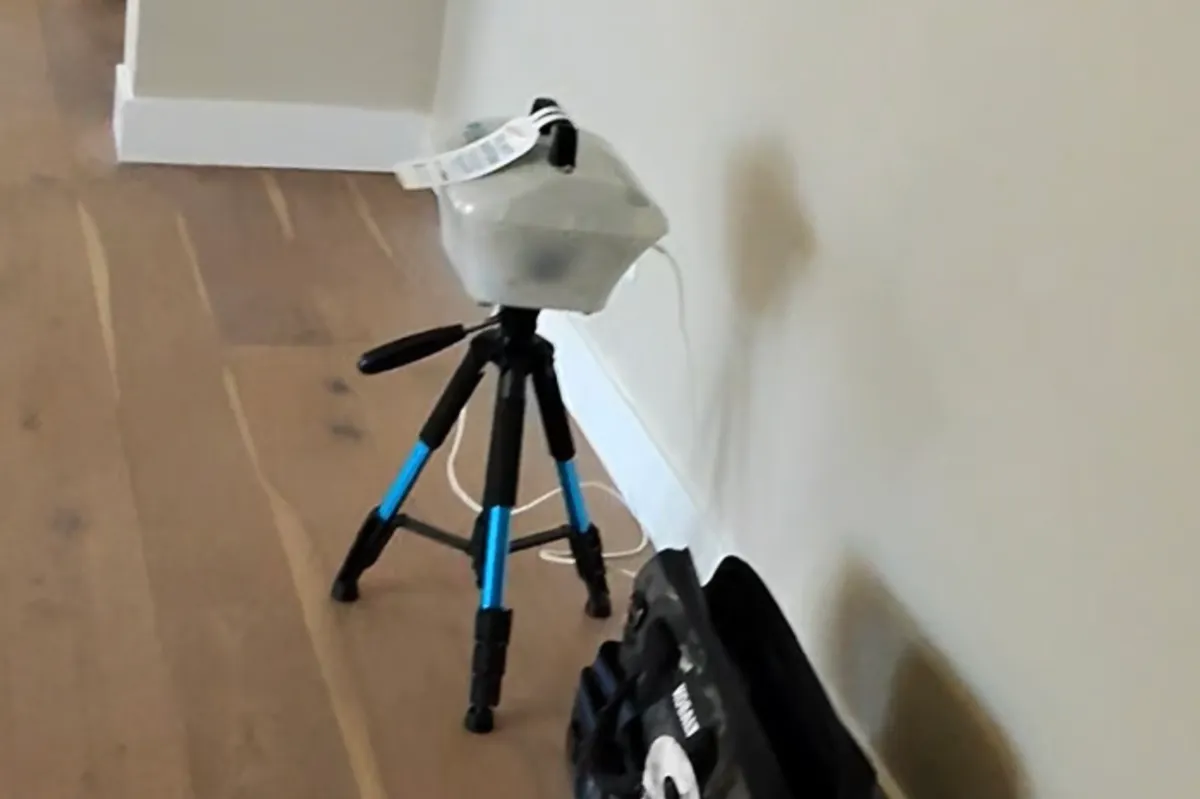
Radon testing measures indoor radon gas levels using a continuous radon monitoring device placed inside the home for a standard testing period.
Although radon levels in Arizona are typically lower than some regions of the country, testing provides confirmation and peace of mind during a real estate transaction.
We provide radon testing services throughout Queen Creek, Gilbert, Mesa, and surrounding Phoenix communities using calibrated monitoring equipment and documented reporting.
Testing is often requested by buyers seeking environmental assurance before closing.
Schedule Your Inspection and include radon testing if desired.
Experience That Matters in the East Valley
With thousands of inspections performed throughout Queen Creek and the Greater Phoenix area, we understand regional construction patterns and common builder trends.
We frequently identify:
• Tile roof underlayment deterioration
• Improper attic ventilation
• HVAC systems nearing end-of-life
• Monsoon-related drainage concerns
• Foundation stress linked to expansive soils
Local knowledge allows us to distinguish normal wear from material defects that require attention.
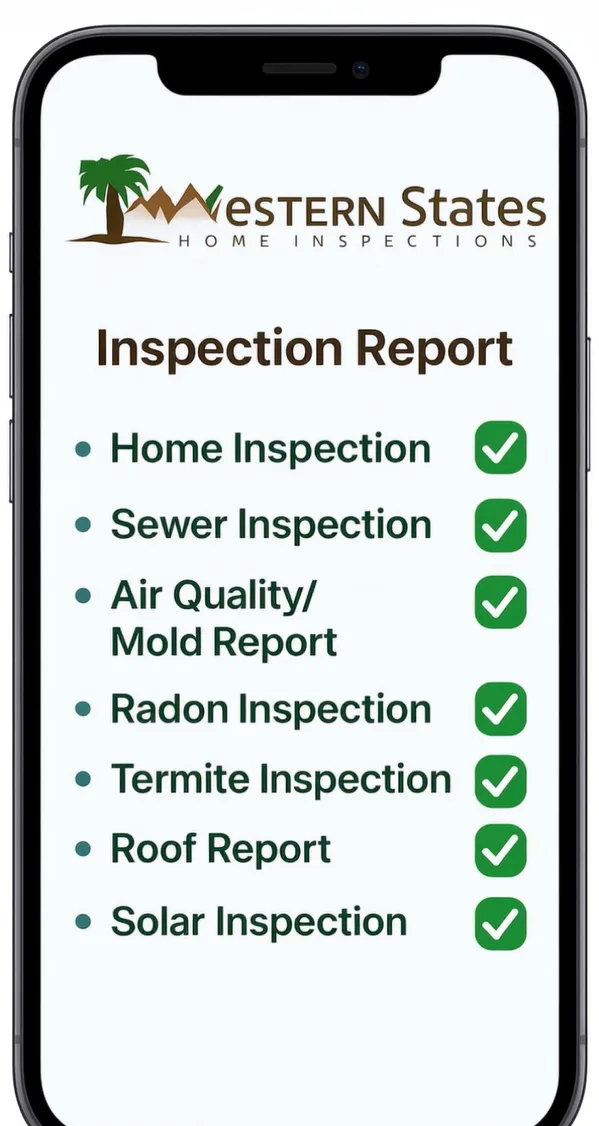
We inspect every property like our own family is moving in, which means we're looking for what actually matters, not just documenting every minor issue to pad a report. You get the truth about current problems, potential future costs, and what you should prioritize. Same-day delivery, annotated photos, and the kind of clear communication that only comes from someone who's done this 15,000 times.
Quick links
Services



© 2025 Western States Home Inspections. All rights reserved.
State of Arizona Certified Home Inspector #41778
Licensed • Insured • Errors & Omissions Coverage