Service Details
Residential Home Inspection in Queen Creek & Greater Phoenix
Buying or selling a home in Queen Creek, Gilbert, Mesa, Chandler, Scottsdale, or the Greater Phoenix East Valley requires clear, reliable information. Our residential home inspections provide a comprehensive evaluation of the property’s major systems and structural components so you can make informed decisions with confidence.
From roofing systems and attic spaces to HVAC performance, plumbing infrastructure, electrical panels, foundations, and structural framing, we examine the components that matter most in Arizona homes.
Our goal is simple: identify material defects, safety concerns, and costly system risks before they become your responsibility.
Trust.
Integrity.
Precision.
Excellence.
Home Inspections That Protect Your Investment
In Arizona, homes face unique environmental stresses that aren’t always obvious during a showing. Tile roof underlayment deterioration, overworked air conditioning systems, attic ventilation problems, drainage issues, and foundation movement can lead to costly repairs if not identified early.
Our inspections are designed to uncover material defects, safety concerns, and high-cost system risks before they become your responsibility.
Whether you’re a first-time buyer, seasoned investor, or preparing to sell, we provide the information you need to make confident decisions.
What’s Included in a Residential Home Inspection
Roofing System Inspection
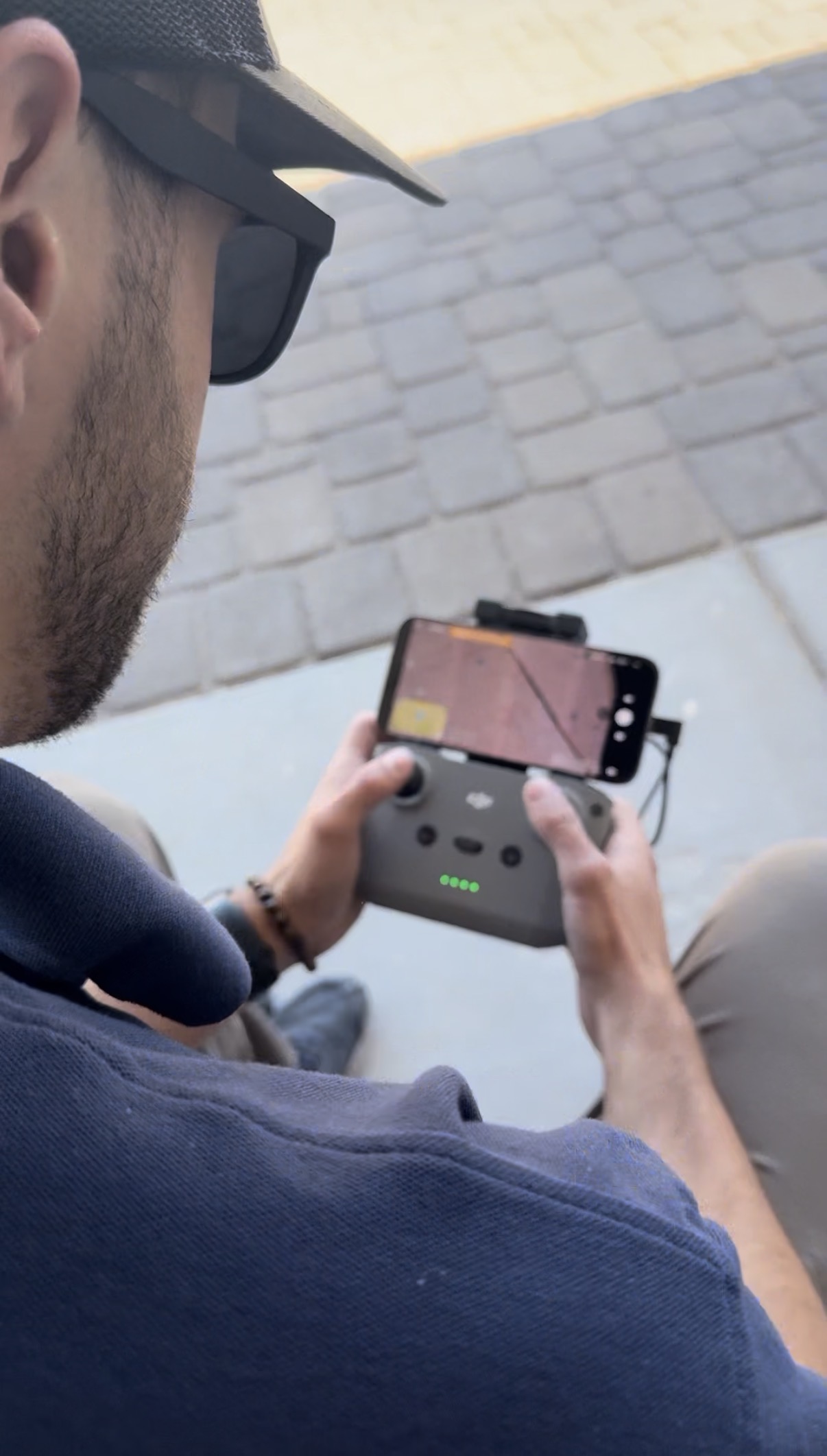
We evaluate roofing materials, visible underlayment (when accessible), flashing, penetrations, drainage, skylights, and signs of deterioration or improper repairs. In Arizona, special attention is given to tile roof performance and underlayment aging.
Attic & Insulation Assessment
We inspect attic framing, insulation levels, ventilation performance, moisture indicators, and structural components to identify improper airflow or heat retention issues common in the East Valley.
HVAC & Cooling Systems
Air conditioning is critical in Arizona. We assess cooling performance, visible installation quality, condenser condition, ductwork (visible portions), thermostat operation, and signs of aging or deferred maintenance.
Electrical System Evaluation
Inspection of the main service panel, breakers, wiring (visible), grounding and bonding, GFCI/AFCI protection, and visible safety hazards.
Plumbing System Review
We examine water heaters, supply lines, drainage systems (visible portions), shut-off valves, pressure observations, and visible leaks or corrosion.
Structural & Foundation Components
Evaluation of visible foundation performance, framing integrity, settlement indicators, cracking patterns, and structural supports.
Exterior & Drainage Inspection
We review grading, drainage flow, stucco conditions, window/door sealing, patio covers, irrigation concerns, and exterior penetrations that may allow moisture intrusion.
Interior Components
Inspection of doors, windows, flooring, cabinets, visible installation quality, smoke detectors, and functional elements throughout the home.
Clear, Same-Day Digital Reports
You’ll receive a detailed digital report that includes:
• High-resolution photos
• Clear descriptions of findings
• Repair recommendations
• A summary section useful for negotiations
Reports are typically delivered the same day to keep your transaction moving efficiently.
How long does a home inspection take?
Most residential home inspections take approximately 3–4 hours, depending on the size, age, and condition of the property, as well as any additional services such as sewer scope, radon testing, or mold sampling.
Larger homes, older properties, or homes with complex systems may require additional time to ensure a thorough evaluation. Our goal is never speed — it’s accuracy and completeness.
Should I attend the inspection?
We recommend that clients arrive near the end of the inspection for a summary walkthrough rather than attending the entire process.
Inspectors need to focus without distraction, and portions of the inspection may involve roof access, attic entry, confined spaces, or exposure to high temperatures — especially in Arizona. For safety and efficiency, we ask clients not to follow into these areas.
At the conclusion of the inspection, we provide a clear verbal summary of major findings and answer any questions so you leave with a solid understanding of the property.
When will I receive my report?
Inspection reports are typically delivered the same day, often within a few hours after the inspection is completed.
Reports are provided digitally and include high-resolution photos, detailed descriptions, and a summary section that helps buyers and agents prioritize findings for negotiation or repair discussions.
Do you recommend a sewer scope in Arizona?
Yes — we strongly recommend a sewer scope inspection with nearly every home inspection.
The sewer line is one of the most expensive systems to repair or replace, yet it is not visible during a standard inspection. We have identified defects in sewer lines in new construction homes, remodeled properties, condos, and older homes alike.
A sewer scope uses a specialized camera to visually evaluate the underground line. It’s similar to test-driving a vehicle before purchase — you want to understand how critical systems are functioning before taking ownership.
What if conditions or defects are found?
No home is perfect - not even new construction.
Our role is to document conditions, defects, and maintenance concerns so you can make informed decisions. Most findings are manageable and often become points of negotiation, repair requests, or future planning.
The more information you have, the stronger your position becomes. Whether you’re buying, selling, or investing, a thorough inspection provides clarity — not alarm.
We focus on clear documentation, not dramatization, so you can move forward confidently.
Other services
Explore more solutions
Sewer Line Inspections
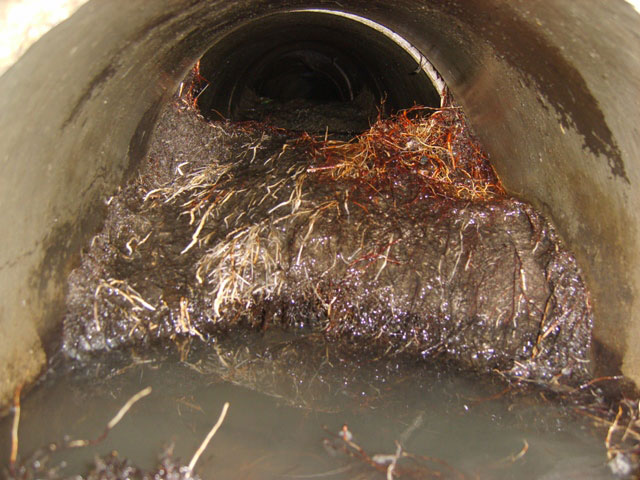
A sewer scope inspection uses specialized camera equipment to evaluate the condition of the underground sewer lateral connecting the home to the municipal sewer system.
In Queen Creek, Mesa, and older East Valley neighborhoods, sewer lines may be affected by root intrusion, separation, blockages, or deterioration. These issues are not visible during a standard home inspection but can result in significant repair costs.
During a sewer scope inspection, a high-resolution camera is inserted into the cleanout access to visually assess pipe integrity from the home to the city connection.
This service is strongly recommended for homes over 15 years old or properties with mature landscaping.
Schedule Your Inspection and include a sewer scope for added protection.
Mold/Air Quality Inspections
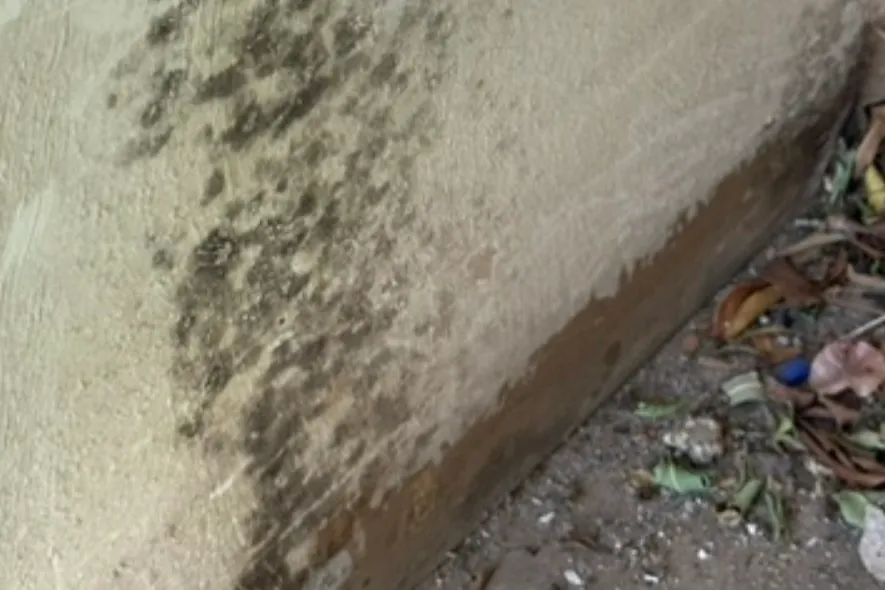
Mold and indoor air quality testing helps identify potential airborne contaminants and moisture-related concerns inside a home.
In the Arizona climate, improper drainage, roof leaks, plumbing failures, and HVAC condensation issues can contribute to microbial growth. We offer mold and indoor air quality testing services in Queen Creek and the East Valley to help homeowners evaluate potential environmental concerns.
When visible staining or musty odors are present, testing can provide laboratory analysis to determine spore concentrations and compare indoor air quality to exterior control samples.
Testing results help guide remediation decisions and further evaluation when necessary.
Schedule Your Inspection and ask about air quality testing options.
Radon Inspections
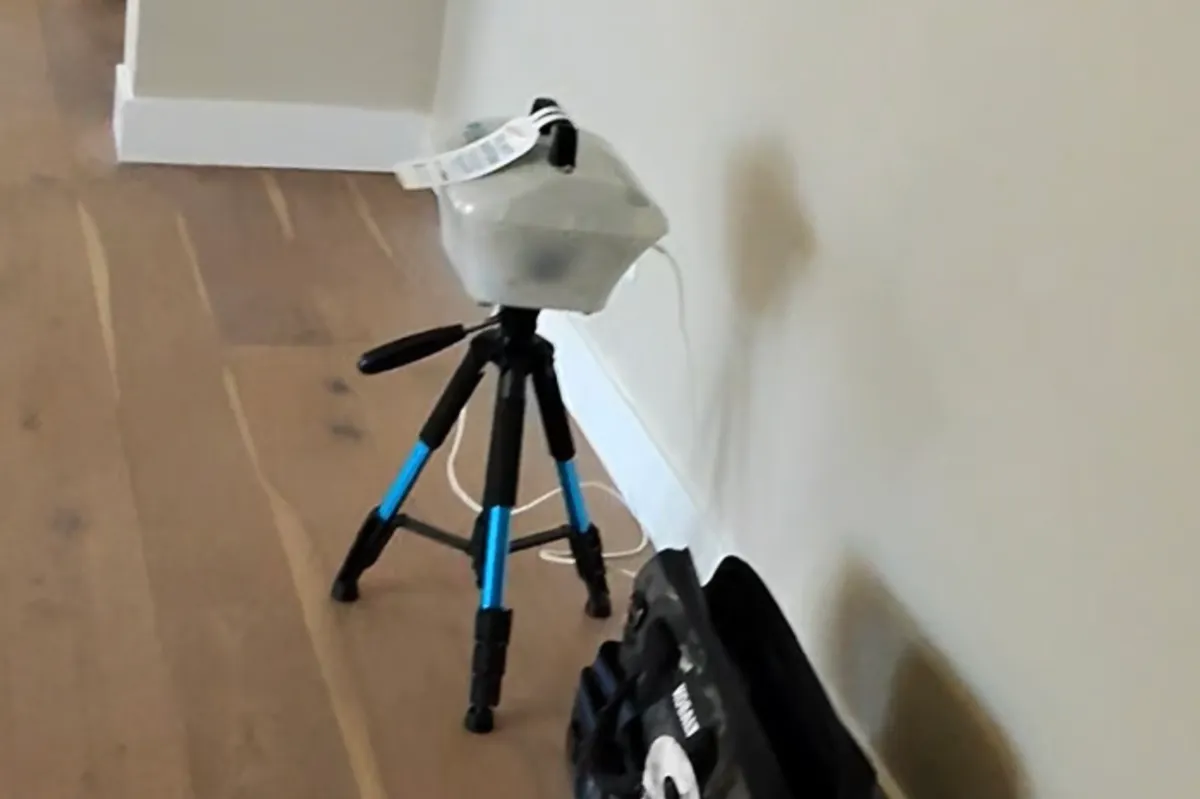
Radon testing measures indoor radon gas levels using a continuous radon monitoring device placed inside the home for a standard testing period.
Although radon levels in Arizona are typically lower than some regions of the country, testing provides confirmation and peace of mind during a real estate transaction.
We provide radon testing services throughout Queen Creek, Gilbert, Mesa, and surrounding Phoenix communities using calibrated monitoring equipment and documented reporting.
Testing is often requested by buyers seeking environmental assurance before closing.
Schedule Your Inspection and include radon testing if desired.
Experience That Matters in the East Valley
With thousands of inspections performed throughout Queen Creek and the Greater Phoenix area, we understand regional construction patterns and common builder trends.
We frequently identify:
• Tile roof underlayment deterioration
• Improper attic ventilation
• HVAC systems nearing end-of-life
• Monsoon-related drainage concerns
• Foundation stress linked to expansive soils
Local knowledge allows us to distinguish normal wear from material defects that require attention.
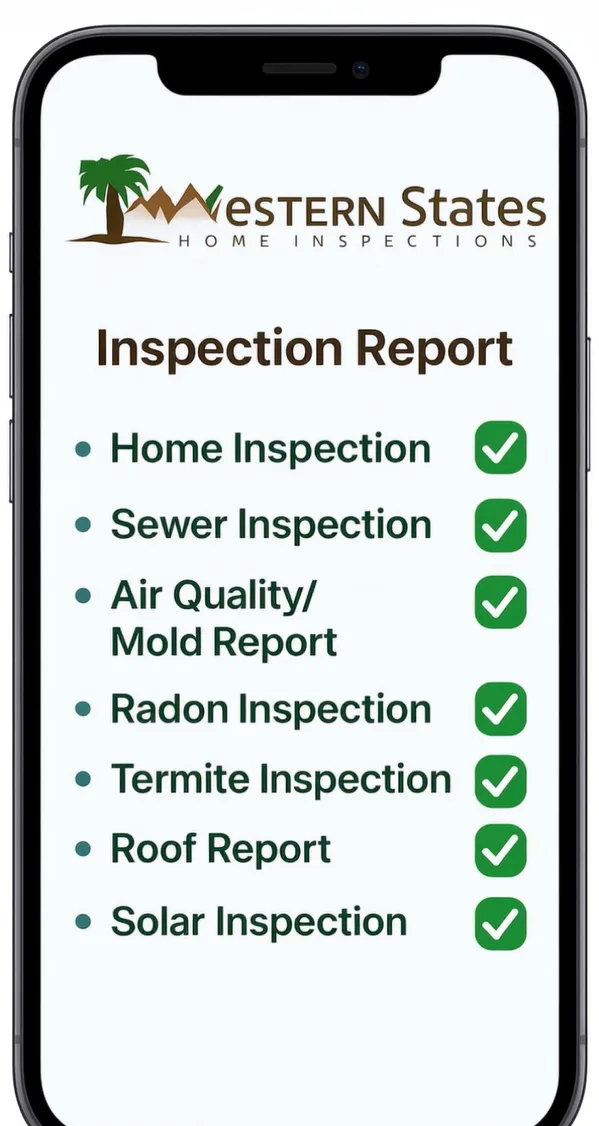
We inspect every property like our own family is moving in, which means we're looking for what actually matters, not just documenting every minor issue to pad a report. You get the truth about current problems, potential future costs, and what you should prioritize. Same-day delivery, annotated photos, and the kind of clear communication that only comes from someone who's done this 15,000 times.
Quick links
Services



© 2025 Western States Home Inspections. All rights reserved.
State of Arizona Certified Home Inspector #41778
Licensed • Insured • Errors & Omissions Coverage